At 23, Jenny Milne was told her gall bladder stopped working, which after months of tests and investigation, turned out to be heart failure. The doctors couldn’t figure out why her white blood cell count was so high, why she was always out of breath and why she had free fluid in her abdomen. “I couldn’t walk five feet in front of me without taking a break,” the Chilliwack, B.C. native told CTVNews.ca on Monday, adding that she thought it was just asthma. At her doctor’s request, she took a COVID-19 test, which turned out to be negative. Her doctor was puzzled as she kept getting worse. 
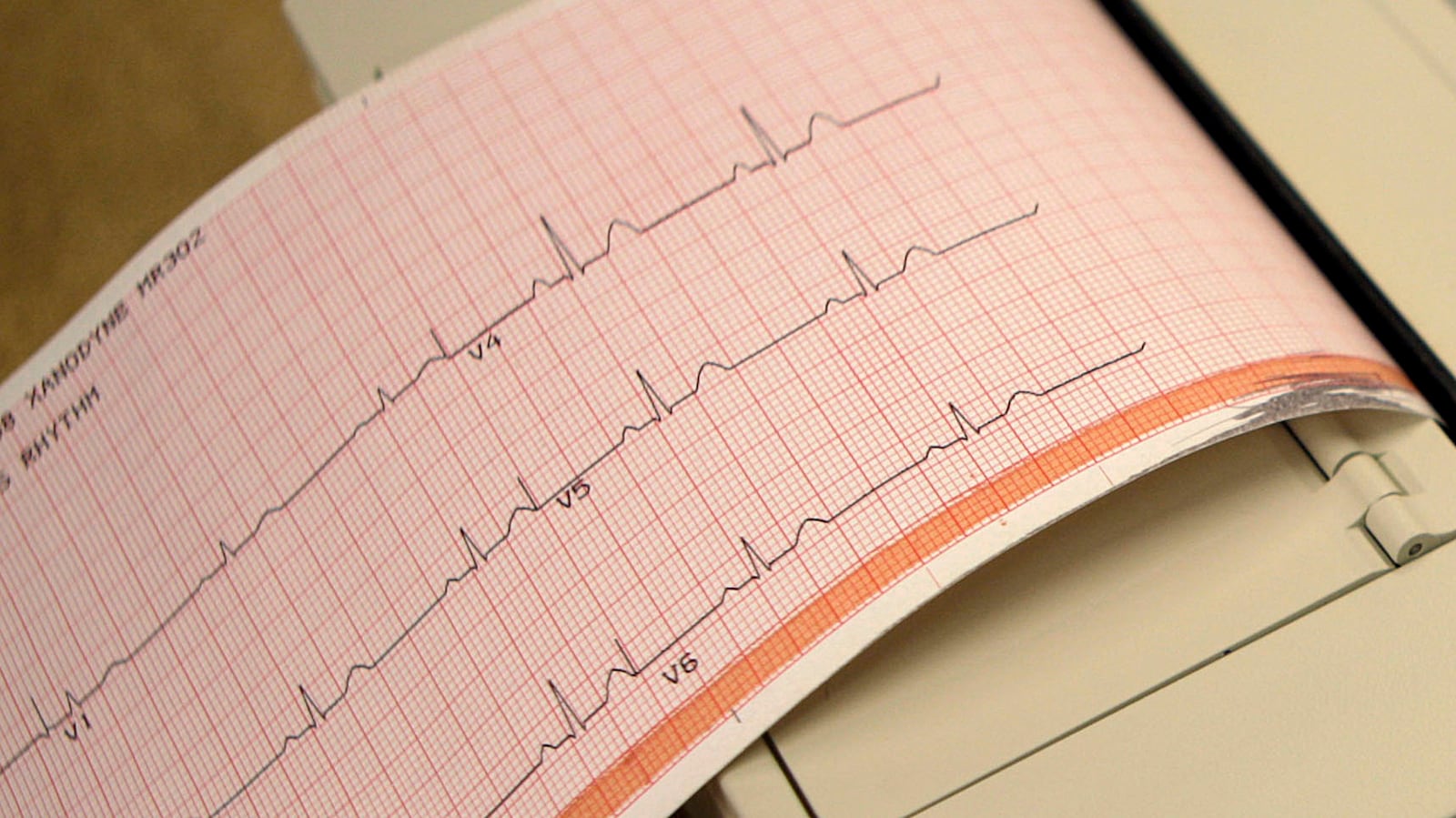
Two weeks later, Milne noticed that her legs had swollen. This led to a series of heart activity tests, including a Holter monitor test, an electrocardiogram (ECG), an echo cardiogram and a cardiac MRI. She was told her heart was enlarged and there was something infiltrating it. She was also diagnosed with a pulmonary embolism and a clot in one of her lungs. “Through that, my internal medicine doctor quickly realized that my heart was failing (and) was not going to be managed through internal medicine,” Milne, who is now 29, said. After the doctors found out through a biopsy that she also had endomyocardial fibrosis , Milne was told that she needed a heart and lung transplant. A year after her diagnosis, Milne had to get her mitral valve replaced. She says the surgery went well, and the replacement worked better than expected, sending her heart failure into remission. “I was very lucky that my (general practitioner, or GP) has a special interest in cardiology and recognized the signs, and I wasn’t dismissed,” Milne, who now works with the HeartLife Foundation to help people living with heart disease, said. The Canadian Heart Failure Society and Canadian Cardiovascular Society is calling attention to a rise in cases of heart failure and heart-related diseases in young Canadians, to mark the eighth annual National Heart Failure Awareness Week. According to a news release published last week, heart failure is one of the fastest-growing cardiovascular diseases in Canada, and it is now manifesting at earlier ages. Research from the Canadian Journal of Cardiology showed hospitalizations rose “significantly” among adults aged 20 to 39 between 2007 and 2016. Additionally, more than 5,000 Canadians between the ages of 40 and 49 were newly diagnosed with heart failure in 2023-24, according to Heart & Stroke’s Analysis of Data from the Canadian Chronic Disease Surveillance System. A ‘perfect storm’Dr. Margot Davis, a cardiologist from Vancouver, B.C. and president of the Canadian Heart Failure Society, told CTVNews.ca on Monday there has been an increase in the number of younger Canadians being diagnosed with this disease at their heart failure clinics between the ages of 20 and 40. “In the recent decade or two, we’ve seen that the proportion of older patients who are being diagnosed with heart failure and are dying of heart failure remain relatively static,” Davis explained. ”(They) might even be improving a little bit as we’re getting better at treating it – but at the same time, we’re seeing an increasing rate in the younger patients, so that they’re now making up a greater proportion of our heart failure population.” There is a “greater burden” of risk factors for heart failure among people from the younger demographic, leading to an earlier onset, the cardiologist explained. “There’s a lot of heart failure that’s caused by these risk factors – things like diabetes, high blood pressure, obesity, coronary artery disease – all of these things that used to be much more prevalent in older patients are increasingly common in younger patients as well,” Davis said. Davis called a confluence of these risk factors a “perfect storm” that leads to cases of heart disease in younger people who aren’t aware that they’re at risk for organ failure. “Oftentimes their health-care providers also aren’t really thinking of heart failure for younger patients when they come in with shortness of breath,” the cardiologist said, adding that this is why spreading awareness about it was important. “Otherwise, what happens is, they go undiagnosed until they have much more advanced disease, and then it’s much harder to treat, and we have worse outcomes for our patients.” Younger people are usually stronger than older patients with heart disease and chalk up their breathlessness during activities or exercise to asthma, allergies, or bronchitis, without realizing that they could be at risk for heart failure, leading to a difficulty in diagnosing. “And that’s true for both patients and providers,” she said. Heart failure in young people is treated in the same manner as it would be if it were an older person who presented with symptoms of heart failure, the cardiologist explained. “Cause for breathlessness in a young person should always be investigated,” Davis said.
|